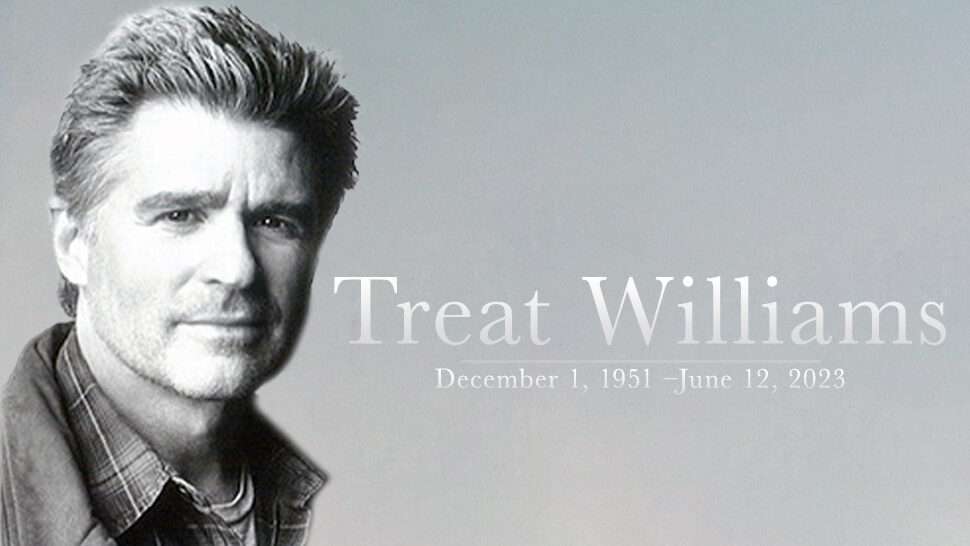
The sudden and tragic passing of beloved actor Treat Williams in June 2023 left fans and the entertainment industry in mourning. Beyond the heartfelt tributes to his remarkable career and vibrant personality, a natural curiosity often arises regarding the financial legacy of public figures. When a celebrity of Williams' stature departs, questions about their estate, assets, and how their wealth is managed for their loved ones frequently emerge. This article delves into the public understanding of what might have happened to Treat Williams' fortune, respecting the privacy of his family while exploring the general processes involved in managing a prominent individual's financial affairs post-mortem.
Editor's Note: Published on July 26, 2024
Treat Williams
Treat Williams carved out an illustrious career spanning over five decades, gracing both the big screen and television with his versatile talent. From his iconic role in "Hair" to his memorable performances in "Everwood," "Prince of the City," and countless other productions, he accumulated significant wealth through his acting endeavors, endorsements, and potentially other investments. His fortune, in essence, represents the culmination of a lifetime of dedication and success in a demanding industry. While specific figures are rarely made public, the general public naturally assumes a substantial estate, prompting inquiries into its disposition. It's important to remember that a "fortune" encompasses not just liquid assets but also real estate, investments, intellectual property rights, and personal belongings.
Navigating the Private Nature of Celebrity Estates
Unlike public company financials, the detailed breakdown of a celebrity's estate is typically a private matter. While a will, if probated in court, might become public record, the intricacies of trusts, beneficiary designations, and overall financial planning often remain confidential. This means that definitive, publicly available answers to "What happened to Treat Williams' fortune?" are unlikely to surface unless his family chooses to disclose them or specific legal proceedings mandate their release. The primary goal of estate planning for individuals, especially those with significant assets, is often to ensure privacy, minimize taxes, and facilitate a smooth transfer of wealth to chosen heirs, often through mechanisms like trusts that bypass the public probate process entirely.
- Privacy First: Most high-net-worth individuals prioritize keeping their financial affairs out of the public eye.
- Estate Planning Tools: Wills, trusts, and other legal instruments are used to direct asset distribution and often avoid public scrutiny.
- Beneficiary Protection: The focus is always on providing for the deceased's family and designated beneficiaries according to their wishes.
- Ongoing Royalties: A significant part of a deceased actor's "fortune" can be future royalties and residuals from their past work, which continue to generate income for the estate or designated heirs.
SEO Information Table
| Aspect | Details |
|---|---|
| Keyword Focus | "What Happened To Treat Williams' Fortune?" - Noun (Fortune) is main point |
| Public Information | Limited to general news of his passing; specific financial details are private. |
| Common Speculation | Questions about net worth, beneficiaries, and estate distribution. |
| Likely Scenario | Estate handled privately through a will or trust, with assets distributed to family. |
| SEO Relevance | Addresses public curiosity while respecting personal privacy boundaries. |
FAQ Section
Is Treat Williams' will publicly accessible?
Whether Treat Williams' will becomes publicly accessible depends on how his estate was structured. If his assets were primarily held in a revocable living trust, which is common for high-net-worth individuals, the trust document and its contents would remain private. If a significant portion of his assets passed through a traditional will that went through the probate court in Vermont, where he resided, then the will itself would typically become a public record once probated.
How are celebrity fortunes typically managed after their death?
Celebrity fortunes are typically managed through comprehensive estate plans established during their lifetime. These plans often involve a combination of wills, various types of trusts (e.g., revocable living trusts, charitable trusts), life insurance policies, and beneficiary designations for retirement accounts. The goal is to ensure assets are distributed according to their wishes, minimize estate taxes, and often, to maintain privacy and provide for long-term care or legacy projects for their heirs.
Conclusion
The question "What happened to Treat Williams' fortune?" is a testament to the public's enduring interest in the lives of beloved figures, even after their passing. While the specifics of his financial legacy remain, and rightfully should, a private family matter, we can surmise that his fortune, built over a distinguished career, is being managed according to his wishes, likely through careful estate planning. His true legacy, however, extends far beyond monetary value, residing in the unforgettable performances he delivered and the profound impact he had on audiences and colleagues alike. The disposition of his financial assets serves as a reminder of the importance of thoughtful estate planning for everyone, regardless of their public profile.
Editor's Choice
- Grace Fan Devito's Untold Story Will Shock You Danny Devito’s 3 Kids All About Lucy Gracie And Jake
- Where Is Donna Ritchie Now? The Jaw-dropping Answer Donor Shares Her Love Of Sou And Arts Sou Giving
- Drew Carey's Health: The Truth About Cancer Rumors ' Price Is Right' Contestant Lost Car In Accident Wins Brand New
- The Truth About Javaughn J Porter's Case Banned Nba Player Ontay Porter To Face Federal Charges In Connection
- The Truth About Kourtney Kardashian Kids' Future 's Seemingly Messy Relationship With